
As we traverse the technological landscape, smart glass applications are set to revolutionize corporate spaces. This article explores how smart glass technology, with its privacy control smart glass solutions, energy efficiency, interactive displays, and health benefits, is poised to redefine traditional office environments.
We’ll delve into the role of artificial intelligence in maximizing these applications, shaping the future of workplace design. Get ready to envision a world where technology and architecture intersect seamlessly.
Enhanced Privacy With Smart Glass
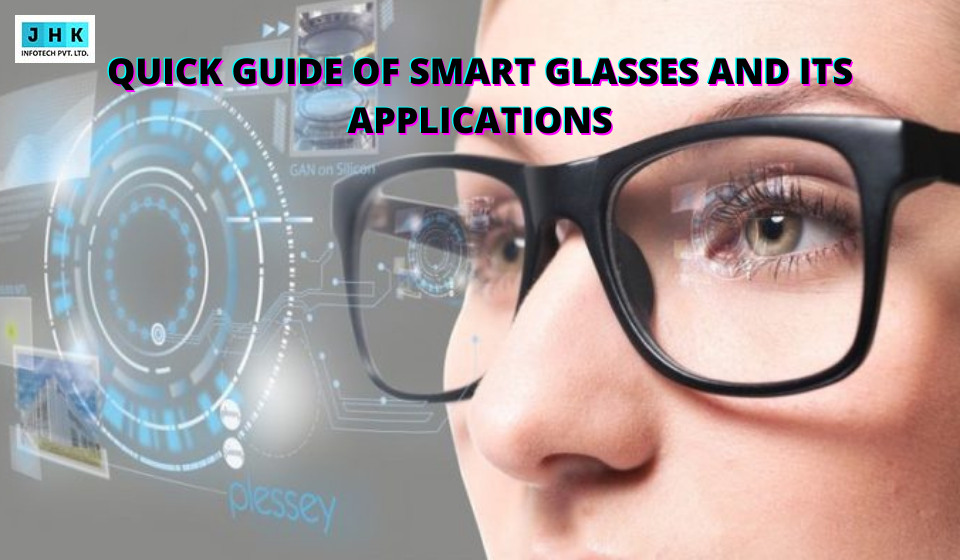
Smart glass technology presents innovative solutions to enhance privacy in corporate settings, offering an instant switch from transparency to opacity at the touch of a button. This feature caters to the evolving demands of modern businesses, where the need for flexibility, versatility, and confidentiality is paramount.
Through an informed analysis, it becomes evident that this technology delivers a forward-thinking approach to privacy issues. By incorporating smart glass, corporations can create multipurpose spaces that adapt to varying needs, from open-plan collaboration to sequestered meetings—effectively adding a dynamic layer to spatial design.
Yet, the implications extend beyond mere functionality. The ability to control visibility signifies an empowering shift towards autonomy, a value highly esteemed in today’s liberated work culture. Employees can exercise discretion over their workspace, fostering a sense of ownership and comfort. Furthermore, it provides a tangible manifestation of a company’s commitment to respecting individual boundaries and promoting a culture of trust.
Energy Efficiency Through Adaptive Tinting
Harnessing the power of adaptive tinting, corporations can significantly enhance their energy efficiency by utilizing smart glass technology. This innovative approach allows for the automatic adjustment of glass tint in response to fluctuating external conditions, thereby controlling the amount of light and heat that enters a building.
Analyzing the benefits, it becomes apparent that the reduction in solar heat gain translates into less reliance on air conditioning systems, leading to considerable energy savings. Furthermore, this dynamic tinting also optimizes natural light usage, reducing the need for artificial lighting during daytime hours.
Looking ahead, as corporations continue to prioritize sustainability and cost reduction, the demand for energy-efficient solutions like smart glass is likely to rise. Adaptive tinting, in essence, offers freedom from excessive energy consumption and provides a tangible step towards achieving green building standards.
Interactive Display Applications
Moving beyond energy conservation, the application of smart glass technology also extends to interactive display solutions in corporate settings. These high-tech systems can transform any glass surface into a touch-sensitive screen, enhancing collaboration and productivity.
Smart glass allows for real-time data visualization, creating an immersive environment for employees. It can display everything from complex data analytics to design drafts, simplifying communication and expediting decision-making processes. This technology can also be integrated with other smart devices, further enhancing its usability.
However, the full potential of interactive smart glass is yet to be tapped. Future innovations may include gesture recognition, augmented reality overlays, and advanced biometric security features. As the Internet of Things (IoT) continues to evolve, the integration of smart glass could redefine the way corporations operate.
It’s clear that this technological advancement is not only about creating an aesthetically pleasing environment but also about driving operational efficiency and facilitating innovative ways of working. As we move forward, businesses that embrace these interactive display applications will likely find themselves at the forefront of the corporate world, setting new standards for workplace technology.
Health and Wellness Benefits
In addition to redefining corporate operations and boosting efficiency, the utilization of smart glass technology also holds significant implications for employee health and wellness. These innovative solutions can be leveraged to create work environments that are not only productive but also conducive to physical and psychological well-being.
Smart glasses can modulate natural light transmission, reducing eye strain and fatigue associated with prolonged exposure to artificial lighting. This feature, coupled with the capability to adjust transparency for privacy, contributes to a stress-free workspace, thereby enhancing mental health. The potential of these applications to improve circadian rhythms and sleep quality is a point of interest for future research and development.
Additionally, smart glass can contribute to reducing the spread of pathogens in a post-COVID-19 world. By minimizing the need for physical interaction with surfaces like blinds or shades, the spread of germs can be significantly curtailed.
As corporate entities continue to prioritize employee wellness alongside operational efficiency, smart glass technology emerges as a key player in this paradigm shift. The health and wellness benefits of this technology, therefore, warrant further exploration and investment in the years to come.
The Role of AI in Smart Glass Technology
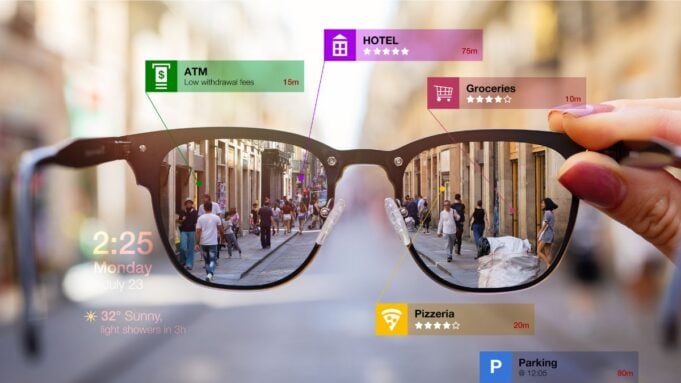
Over time, the integration of Artificial Intelligence (AI) into smart glass technology has profoundly reshaped the corporate landscape, paving the way for unprecedented levels of automation and efficiency. AI-powered smart glasses have revolutionized the ways in which businesses operate, from enhancing productivity to improving customer service.
AI’s analytical capabilities, when applied to smart glass technology, enable the collection and interpretation of vast amounts of data. This data-driven approach allows for predictive analytics, which can anticipate user behavior and preferences, thereby creating a more intuitive and personalized user experience. Furthermore, AI’s machine learning algorithms improve over time, learning from each interaction to optimize performance.
AI in smart glasses also facilitates hands-free operation, a significant benefit for industries where manual labor is prevalent. Workers can access critical information in real-time without disrupting their tasks, significantly improving safety and efficiency.
Moreover, the integration of AI into smart glass technology extends beyond the corporate sphere, touching on various aspects of daily life. From healthcare to education, AI’s potential to transform our lives is immense. As we look to the future, the role of AI in smart glass technology will only continue to evolve and expand, opening up new possibilities and opportunities.
Conclusion
In conclusion, the future of corporate smart glass applications promises transformative changes with enhanced privacy, improved energy efficiency, interactive displays, and wellness benefits.
The integration of AI into this technology exemplifies the fusion of digital and physical space, creating a more sustainable and interactive environment.
This advancement is poised to reshape the corporate landscape by providing innovative solutions to traditional challenges, ushering in a new era of technology-enhanced workplaces.